
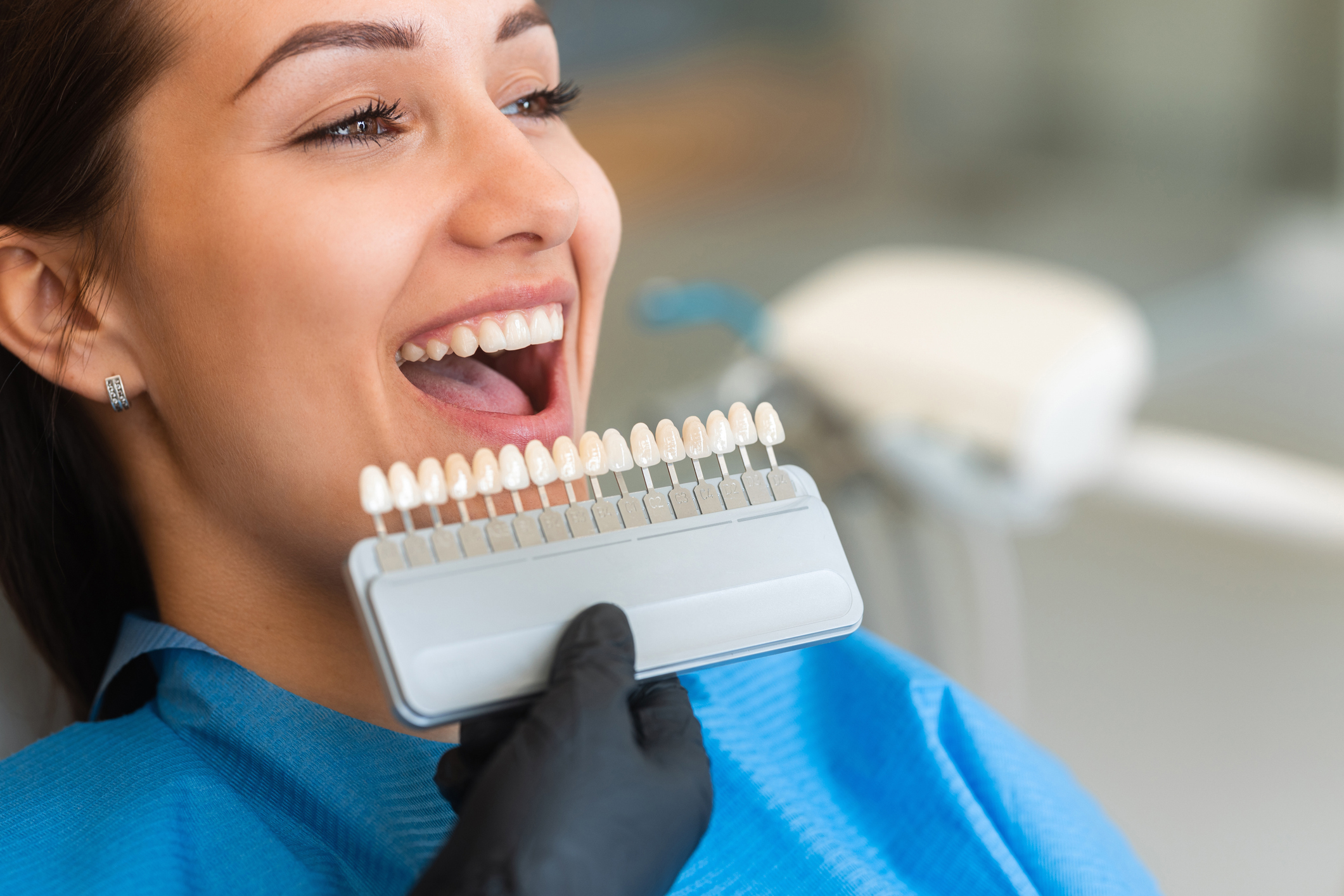
7 Common Myths About Tooth Whitening: Debunked
A bright, white smile can make a huge difference in your confidence but with so much information (and misinformation) floating around, it’s easy to get confused about what really works. At Your Community Dental, we want to help you separate fact from fiction when it comes to tooth whitening. Let’s debunk some of the most common myths so you can make informed decisions about your smile.
Myth 1: Whitening Damages Your Teeth
Truth: When used correctly, professional whitening treatments are safe for your enamel. Some people worry that whitening can “eat away” at teeth, but dentist-supervised treatments are designed to protect enamel while removing stains. Over-the-counter products can also be safe, but following directions carefully is key; overuse or misuse is what can lead to problems like sensitivity.
Myth 2: All Whitening Products Work the Same
Truth: Whitening options vary widely in strength and effectiveness. Whitening toothpaste may help remove surface stains, strips can brighten your smile moderately, and professional treatments in the dental office are usually the strongest and most long-lasting. Not every product is right for everyone, so consulting a dentist can help you choose the best method for your teeth.
Myth 3: Whitening Works Instantly
Truth: While some treatments can produce visible results after a single session, most whitening processes take time. Multiple applications or visits are often needed to achieve the level of brightness you want. Remember, patience leads to safer and more effective results than rushing with stronger, untested solutions.
Myth 4: Whitening Is Permanent
Truth: Unfortunately, whitening is not a “one-and-done” solution. Your teeth can stain again over time due to coffee, tea, red wine, berries, and even smoking. Maintaining your results usually involves touch-ups or at-home care recommended by your dentist, along with healthy oral hygiene habits.
Myth 5: Only Yellow Teeth Can Be Whitened
Truth: Teeth come in a variety of natural shades. Whitening tends to be most effective on yellow or dull stains caused by diet, age, or habits. Gray or very dark stains may respond differently, and your dentist can help determine whether whitening or an alternative treatment—like veneers—will give you the best results.
Myth 6: Whitening Causes Tooth Sensitivity in Everyone
Truth: Some people experience temporary sensitivity during or after whitening, but this is usually mild and short-lived. Strategies like using toothpaste for sensitive teeth, avoiding extremely hot or cold drinks during treatment, or adjusting the frequency of whitening sessions can help reduce discomfort. Most people tolerate professional whitening very well.
Myth 7: Natural Remedies Like Baking Soda or Lemon Juice Are Just as Effective
Truth: DIY remedies can sometimes remove surface stains, but they are rarely as effective as professional whitening products. Worse, harsh acids or abrasives can damage enamel, making teeth more sensitive or prone to staining in the long run. Always stick with dentist-approved treatments for safe and lasting results.
Bonus Tips for a Brighter Smile
- Brush and floss regularly: Preventing stains is easier than reversing them.
- Rinse after staining foods: Even a quick rinse after coffee, tea, or berries can help reduce discoloration.
- Consider professional cleanings: Removing plaque and tartar enhances whitening results.
- Avoid tobacco products: Smoking is one of the fastest ways to darken your teeth.
Your Path to a Safer, Whiter Smile
Tooth whitening can boost confidence and brighten your smile, but it’s important to have realistic expectations and use safe methods. If you’re considering whitening, talk to your dentist at Your Community Dental. We’ll help you choose the best option for your teeth, lifestyle, and goals, while keeping your smile healthy and strong.Ready to brighten your smile safely? Schedule a consultation today and get personalized recommendations that actually work!