
5 Simple Habits for a Brighter Smile (And Fewer Fillings!)
We all want a Hollywood smile, but at Your Community Dental, we believe the most beautiful smile is a healthy one. While professional treatments like whitening and veneers can work wonders, the real magic happens in the 363 days a year you aren’t sitting in our dental chair.
Maintaining your oral health isn’t just about avoiding cavities; it’s about protecting your overall well-being. Here is an in-depth look at the five habits that will keep your smile bright and your dental bills low.
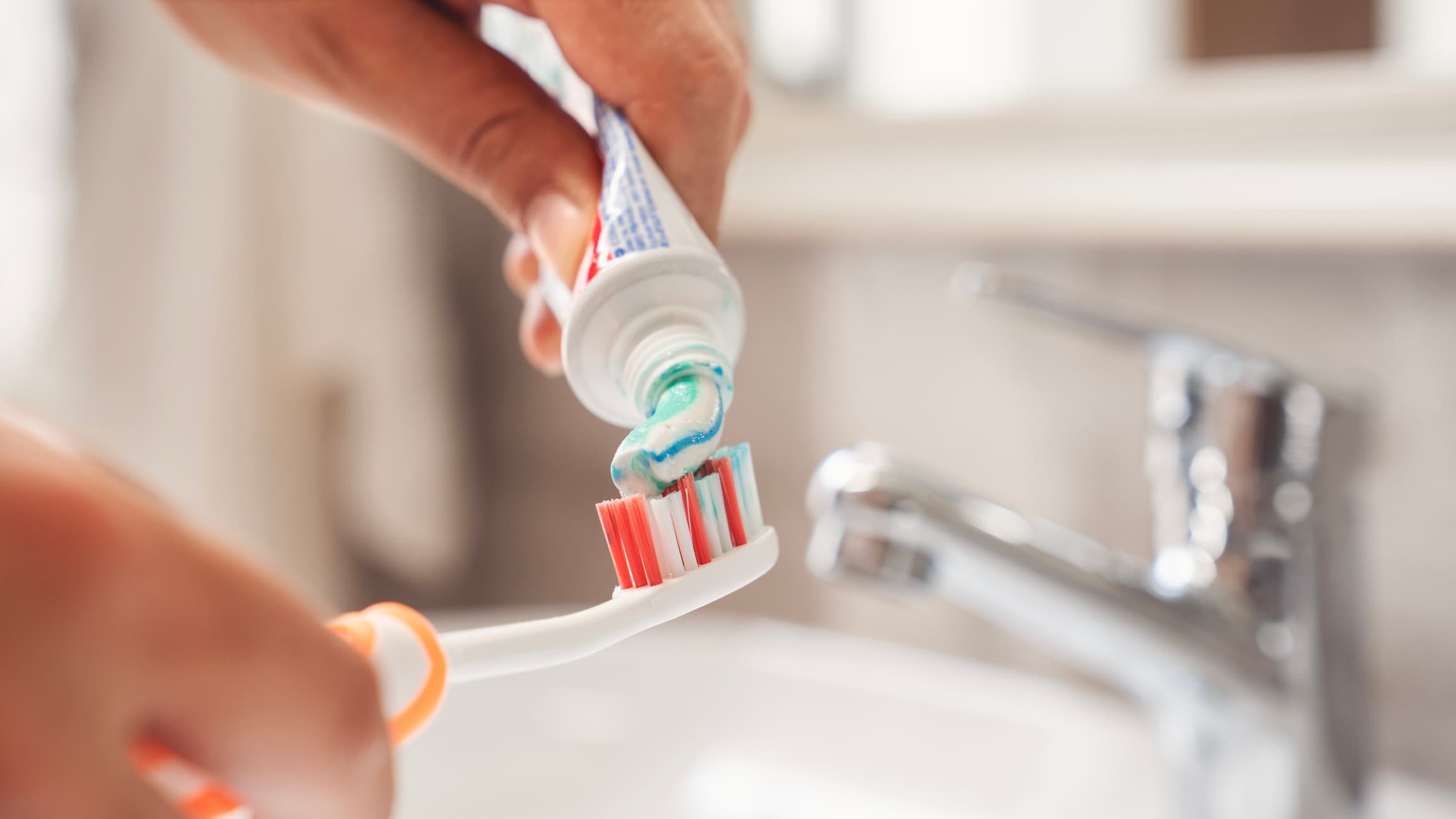
1. Master the “Two-Minute” Rule
It sounds simple, but consistency is where most people struggle. Most adults average only 45 to 60 seconds of brushing. Unfortunately, that’s not enough time to break down the biofilm (plaque) that sticks to your enamel.
- The Technique: Hold your brush at a 45-degree angle toward the gum line. Use short, circular strokes rather than a back-and-forth sawing motion, which can actually recede your gums over time.
- The Tool: If you struggle with manual brushing, consider an electric toothbrush. Many come with built-in pressure sensors and timers to ensure you hit that two-minute mark every single time.
2. Flossing: The Non-Negotiable Step
If you only brush, you are leaving nearly 35% of your tooth surfaces uncleaned. These “in-between” spaces are where the majority of cavities and gum disease begin.
Why it matters: Plaque that stays between teeth eventually hardens into calculus (tartar). Once it reaches this stage, no amount of brushing can remove it, only a professional dental hygienist can.
If traditional string floss feels like a chore, try these alternatives:
- Water Flossers: Great for those with braces or dexterity issues.
- Interdental Brushes: Small, reusable brushes designed to slide between teeth.
- Floss Picks: Convenient for flossing on the go or in the car.
3. The Science of “Mouth Rinsing”
Water is the most underrated tool in your dental kit. Every time you eat, the bacteria in your mouth produce acid as they digest sugars. This acid attacks your enamel for about 20 minutes after you finish eating.
By drinking water, or even just swishing it, immediately after a meal, you:
- Neutralize the pH level in your mouth.
- Wash away food particles that would otherwise feed bacteria.
- Fight Dry Mouth: Saliva is your body’s natural defense against tooth decay. If your mouth is dry, your teeth are at a much higher risk.
4. Rethink Your “Dental Diet”
It’s not just what you eat, but how and when you eat it.
- The Danger of “Sticky”: Foods like gummy vitamins, dried fruit, and caramels are dental nightmares because they lodge deep into the grooves of your molars.
- The “Sip All Day” Habit: Sipping on soda, sweetened coffee, or kombucha throughout the day keeps your teeth in a constant “acid bath.” It is actually better for your teeth to drink a sugary beverage in one sitting rather than sipping it over three hours.
- Smile-Friendly Foods: Incorporate crunchy vegetables like carrots and celery. They act as “nature’s toothbrushes” by stimulating saliva and physically scrubbing the teeth as you chew.
5. View Your Dentist as a Partner, Not a Mechanic
Many people only visit the dentist when something hurts. However, by the time a cavity causes pain, it usually requires a more invasive (and expensive) treatment like a root canal or a crown.
Preventive dentistry is the practice of catching issues while they are invisible to the naked eye. During your routine check-up at Your Community Dental, we use digital X-rays and intraoral cameras to spot:
- Early-stage decay.
- Signs of oral cancer.
- Gum recession or early gingivitis.
Frequently Asked Questions (FAQ)
How often should I really change my toothbrush?
You should replace your toothbrush (or brush head) every three to four months, or sooner if the bristles look frayed. Also, always replace it after you’ve been sick to avoid reintroducing bacteria!
Does charcoal toothpaste actually work?
While it’s a popular trend, charcoal is often too abrasive for daily use. It can wear down your enamel, making your teeth look more yellow over time as the dentin underneath is exposed. Stick to ADA-approved fluoride toothpaste.
Is it normal for my gums to bleed when I floss?
Occasional bleeding is often a sign of early gingivitis (inflammation). Usually, if you continue to floss daily, the bleeding will stop within a week as your gums become healthier. If it persists, give us a call!
Your Community Dental: We’re Here for You
A healthy smile is a team effort. At Your Community Dental, we provide a judgment-free environment where your comfort is our priority. Whether you need a routine cleaning or a full smile makeover, our local team is ready to help you shine.
Book Your Next Visit Online or call us at 910.407.0224 to join our patient family!