
How Your Diet Affects Your Dental Health (And What to Do About It)
What you eat affects more than your waistline, it has a direct impact on your teeth and gums, too. From enamel erosion to increased risk of cavities, certain foods can do real damage over time. In this post, we’ll break down how your diet influences your oral health and share easy, everyday tips to help you protect your smile through smarter food choices.
The Foods That Can Harm Your Smile
Sugary snacks and acidic drinks, like soda and citrus juice, attack your enamel, the protective outer layer of your teeth. Over time, this erosion can lead to sensitivity, discoloration, and a greater risk of tooth decay. Even snacks that seem healthy, like dried fruit or granola bars, can be sticky and high in sugar, giving cavity-causing bacteria plenty of fuel to thrive.
Carbohydrates like crackers, chips, and white bread also break down into sugars in your mouth. Because they tend to get stuck in your teeth, they create the perfect environment for plaque buildup. And while that afternoon coffee or evening glass of wine might be a daily treat, both are acidic and can contribute to enamel wear and staining.
Small Swaps That Make a Big Difference
The good news? You don’t need a perfect diet to protect your oral health, just a few mindful swaps can make a noticeable difference. Choosing water or milk over soda and sports drinks reduces acid exposure and keeps your mouth hydrated. Swapping dried fruits for fresh ones means less sugar clinging to your teeth. Replacing crackers or cookies with crunchy vegetables like carrots or celery can help scrub away plaque while increasing saliva production, which naturally protects your teeth.
Cheese is another smile-friendly food. It’s high in calcium and helps neutralize acids in your mouth after eating. Yogurt and other unsweetened dairy products can have the same benefit, just keep an eye on added sugars in flavored varieties.
Timing Matters, Too
It’s not just what you eat, it’s when and how. Snacking frequently throughout the day doesn’t give your mouth a chance to recover, especially if you’re eating sugary or starchy foods. Try to limit snacking between meals and rinse your mouth with water afterward to wash away lingering food particles.
After eating something acidic, like citrus fruits, tomatoes, or vinegar-based dressings, wait about 30 minutes before brushing your teeth. Brushing too soon can actually cause more damage by scrubbing away softened enamel. In the meantime, chew sugar-free gum to stimulate saliva and help neutralize acids.
The Best Foods for Strong, Healthy Teeth
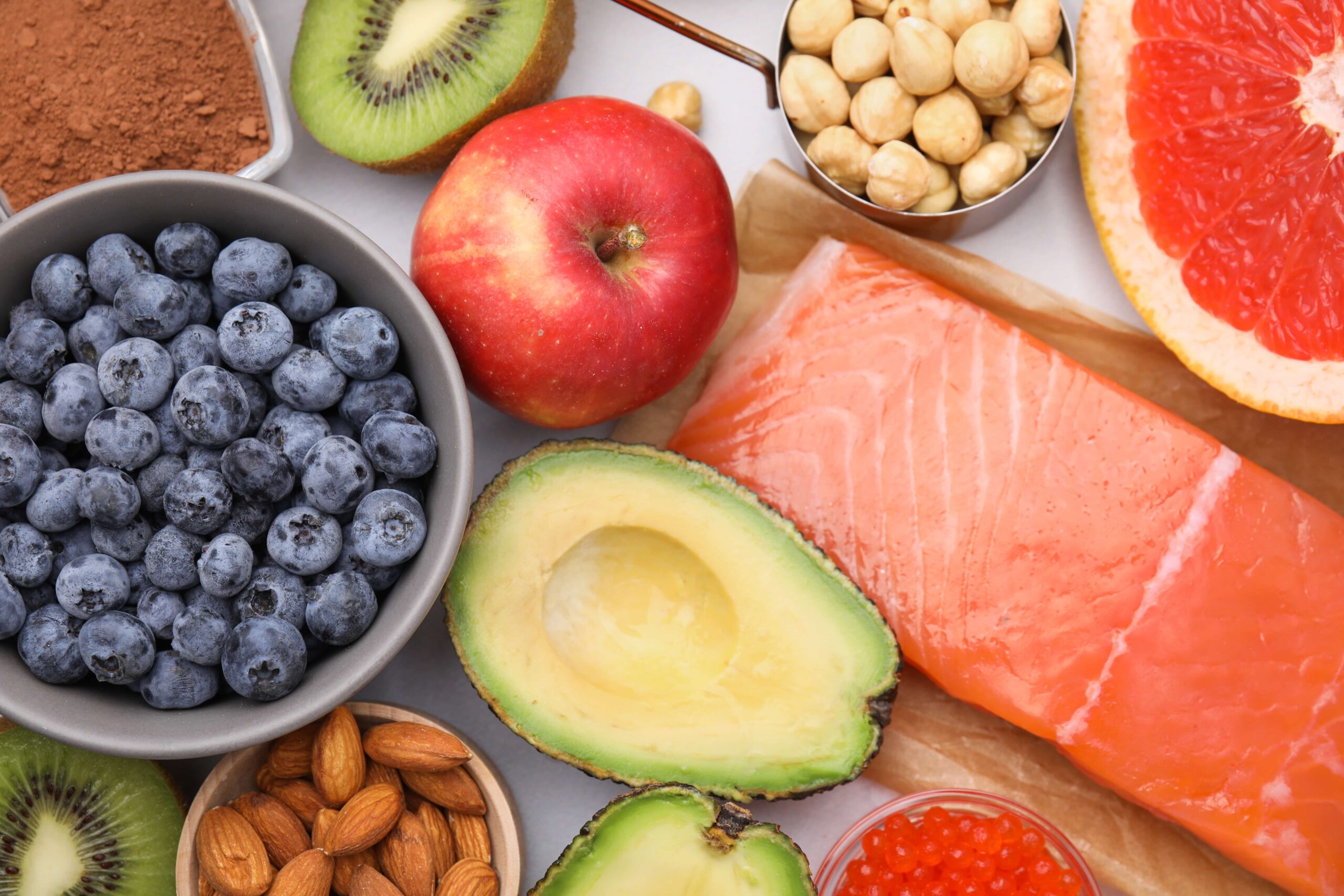
A diet rich in whole foods supports both your general health and your smile. Leafy greens, nuts, lean proteins, and dairy products are packed with essential nutrients like calcium, phosphorus, and vitamin D, all of which help keep your teeth and jawbone strong.
Crunchy fruits and vegetables like apples, carrots, and cucumbers are particularly beneficial. Not only do they provide important vitamins, but their texture helps clean your teeth as you eat. Drinking plenty of water throughout the day, especially fluoridated water which also strengthens enamel and keeps your mouth fresh.
Simple Habits That Support Lasting Oral Health
You don’t have to give up everything you love to protect your smile. With a few small changes and a little awareness of what’s going into your mouth, you can make choices that support long-term dental health. Think of it as brushing and flossing from the inside out.
Regular dental checkups are also key. Even with a healthy diet, professional cleanings and exams help catch issues early and keep your smile on track. If you’re curious about how your eating habits might be affecting your oral health, we’re here to help. At Your Community Dental, we take a whole-health approach to dental care, because your smile is connected to so much more than just your teeth!